Richard Nixon (1969–1974)
Republican
Crisis Timeline: 1972–1974
Peak
65.0%
Final
24.0%
Total Drop
-41 pts
Presidential approval ratings rarely move in a vacuum; they react violently to national crises, scandals, and historic breakthroughs. Below, we examine two of the most consequential inflection points in modern American polling: the collapse of Richard Nixon during the Watergate scandal, and the historic “rally ’round the flag” surge behind George W. Bush following the terrorist attacks of September 11, 2001.
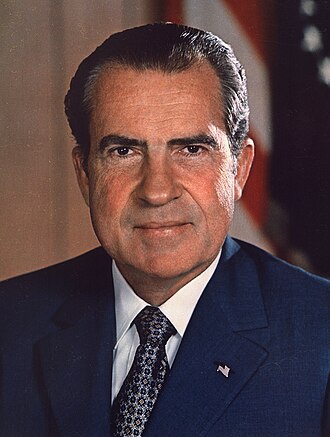
We can see that Nixon’s public approval was relatively high throughout most of his term, despite a small dip prior to 1972. But, then in 1973 we saw a major drop off. This can, of course, be explained by the infamous Watergate scandal. In this scandal it was revealed that Nixon, the president who campaigned on peace and honesty, was actually spying on his opponents in the election. This clearly left the public disgusted, causing his approval ratings to plummet and eventually leading to his resignation.
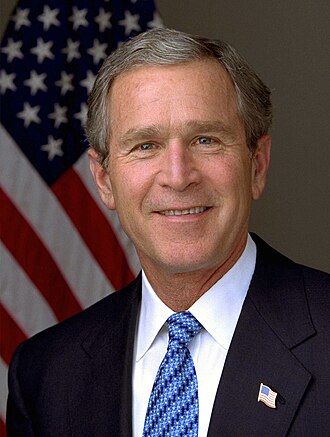
At the beginning of his presidency, Bush had pretty average ratings, but towards the end of 2001, following the attacks of 9/11 we observed a major spike, with his approval ratings jumping to 88%, an all time high of any president. This can be explained by the immense amount of patriotism and unity felt around the country following a devastating event that left many people not knowing what would come next, they looked to their leader for answers.